




"Join us in Creating a Legacy for future generations"
|
"Join us in Creating a Legacy for future generations"
|
|
There is no better time than the present to change the tides of the loss of coastal wetland forests that serve as a natural sponge to absorb storm water run-off, provide a wind buffer to protect our homes and businesses and serve as a habitat corridor for resident wildlife and migratory birds. If you would like to volunteer for projects at the park and/or at the office, please contact us by providing the information below or call us at 504.433.4000.Please help keep our forest native, Adopt-A-Tree
2011-2012 Restoration EffortsIn May 2011, funding from the National Wildlife Federation's Oil Spill Relief Fund and Sun Drilling allowed invasive, non-native Chinese Tallow, Chinese Privet and Chinaberry to be removed from 86-acres at Woodlands Trail and Park Bird Sanctuary. Following the herbiciding of the the non-native trees, funding from EarthShare's Gulf Coast Restoration Fund allowed us to remove the dead and dying trees and mulch this debris to both allow room for planting native trees and to provide natural fertilizer to nourish the newly planted trees. Trees provided by BP. the Chevron Tree Farm and NRCS were planted throughout the newly treated acreage. During the spring months, over 6,000 seedlings and trees were planted. 145 volunteers planted over 5000 seedlings and trees with a remaining 1000 seedlings being planted by a local contractor. Just in time to participate in some planting days in the spring, Professor Sean Anderson and his students from California State University Channel Islands and Oregon State University's John Lambrinos returned for the sixth season to assess restoration progress. Early interim data supports continued use of selective herbiciding to suppress non-native invaders. Without the sustained effort to suppress invasive species, the future for this vital ecosystem is uncertain. The success we have had to date has hinged upon having a lont-term view, continual robust monitoring, and the funding and wherewithal to maintain a management strategy for an extended period to give the system enough time to respond to our rehabilitative efforts.
National Wildlife Federation Sponsors Enhancement of Habitat for Migratory BirdsWoodlands Conservancy has recently received a $50,000 grant from the National Wildlife Federation Oil Spill Relief Fund to begin work to continue work to enhance habitat for migratory birds at the Woodlands site. The blowout of the Deepwater Horizon left a lasting impact to migratory bird habitats in the New Orleans area that is difficult to quantify, but steps can be taken to mitigate some of the effects. NWF and Woodlands Conservancy are working to establish contiguous greenway corridors in what is considered likely to be the last remaining forested land mass between open water and New Orleans. BACKGROUND HISTORY: Prior to Hurricane Katrina and Rita, three woody, non-native invasive species from Asia, Chinese Tallow, Chinese Privet and Chinaberry were concentrated along stand edges and along canopy openings associated with trails at Woodlands Trail and Park. These invasive species were originally introduced into the Gulf Coast area several decades ago.. Volunteers worked diligently to hand remove smaller invaders. Following Hurricane Katrina and Rita's damage to 80 - 90% of the forest canopy, the invasive species have expanded exponentially. Without funds to remove the larger Chinese Tallow, the area continued to be seeded. Without aggressive eradication measures, we face a high likelihood that these invaders will continue to penetrate further into the forest and within a decade may dominate the entirety of the forest. Such an invader-dominated forest will have vastly reduced storm buffering, bird habitat and hydrological entrainment functions relative to the pre-Katrina forest. Woodlands Trail and Park, in partnership with California State University Channel Islands and Oregon State University have developed assessment, treatment and post-treatment methodology to remove invasive species and reforest with native species to restore native habitat. Thanks to funding from BTNEP and the Change Happens Foundation, Woodlands conducted Ecosystem Restoration on a 20-acre plot in 2010 to remove the three invasive species and re-forest with 4,360 seedlings and trees representing ten species of native trees that were historically present within this coastal forest. Trees and seedlings were provided by Barataria-Terrebonne National Estuary Program, the Chevron Tree Farm and USDA/NRCS. Data showed increased wildlife and increased variety of wildlife in treated vs. untreated areas. (See “Woodlands Trail and Park Struggle to Survive” for more information and images. See video clips below of the 20-acre Restoration project. In order to continue efforts to improve the long-term value of habitat, restoration efforts must be continued in order to give the native trees an opportunity to recover and re-establish dominance. We are continuing efforts to obtain the funds needed to conduct spot treatments and remove emerging non-native species. ORDER DOCUMENTARY: WOODLANDS TRAIL AND PARK - STRUGGLE TO SURVIVEWoodlands Trail and Park Struggle to Survive is a 30-minute documentary that examines the inherent value of a native forest and the "growing" problems associated with non-native, invasive vegetation, the efforts to remove them and restore ecological health to one of the few remaining coastal forest ecosystems in the Delta region. For a copy of the educational DVD and potential questions for use following a classroom presentation, please send a $10.00 contribution to cover costs and shipping to Woodlands Conservancy, Documentary, 1112 Engineers Road, Belle Chasse, LA 70037 or call 504.433.4000. See video clips from documentary: WoodlandsTrail-Invasives & Birds ; WoodlandsTrail HurricaneEffects and WoodlandsTrail-Hurricane Impact
LINKS:
Glossary:Native - with respect to a particular ecosystem, a species that, other than as a result of an introduction, historically occurred or currently occurs in that ecosystem Exotic or Non-native - refers to an organism that has been transported from its historical range to a new environment Invasive - when an exotic becomes so acclimated to an area that they begin to threaten the livelihood of local species, that are said to be invasive. According to Official U.S. definitions of exotic invasive species in Executive Order 13112, an "invasive species" is a species that is: 1) non-native to the ecosystem under consideration; and, 2) whose introduction causes or is likely to cause economic or environmental harm, or harm to human health
Species identified in the peninsula formed byBelle Chasse - Lower Coast Algiers(click on image to enlarge)
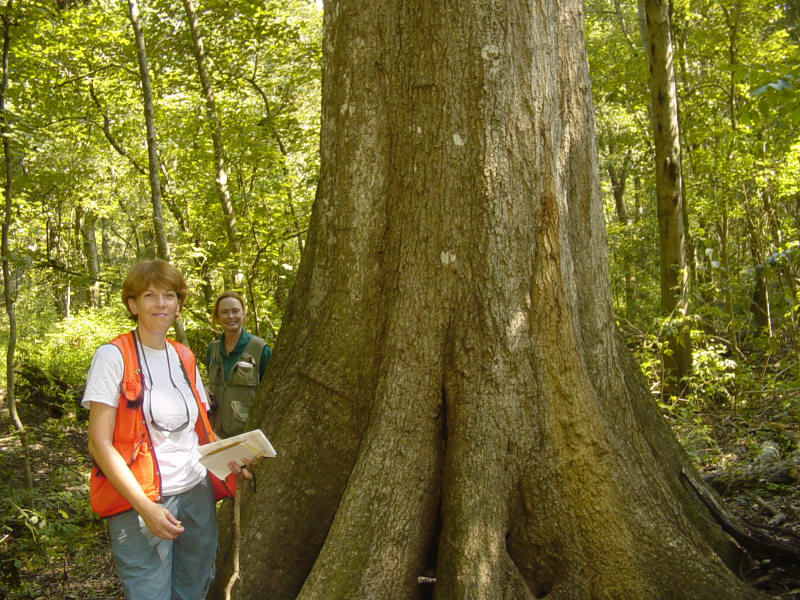
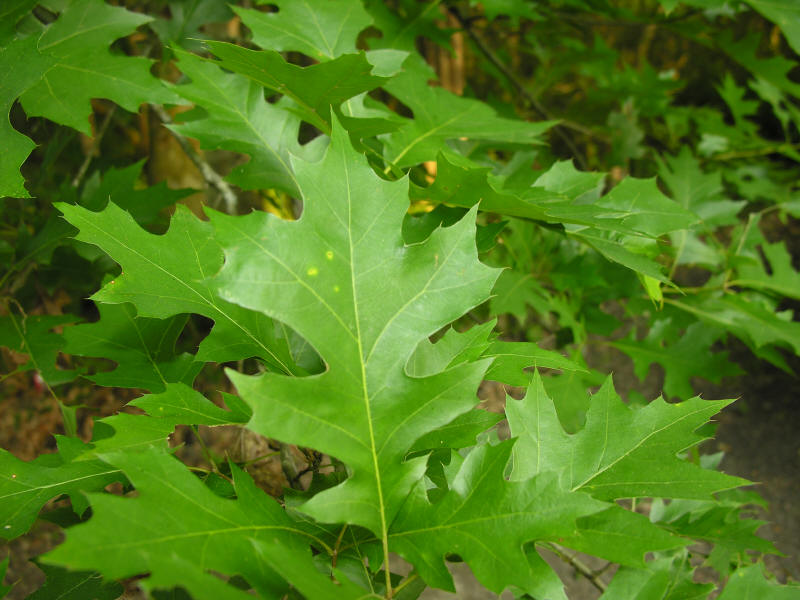
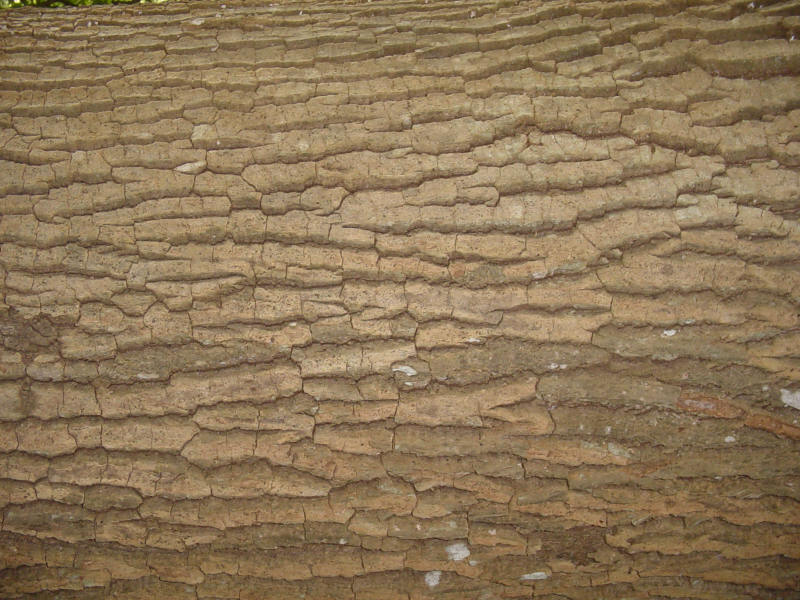
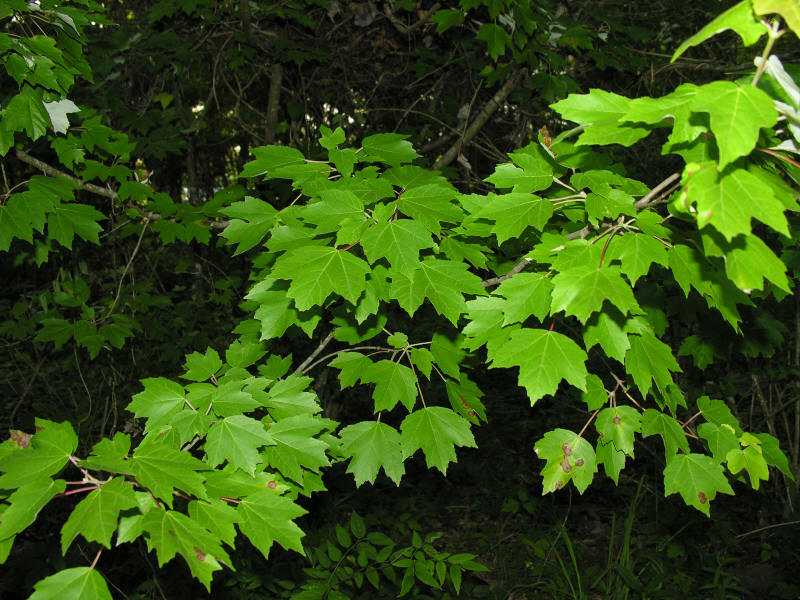
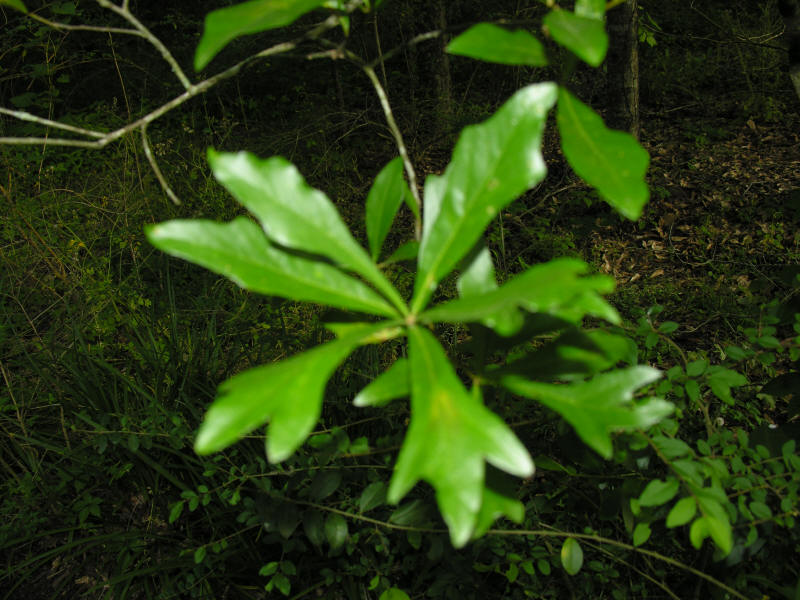
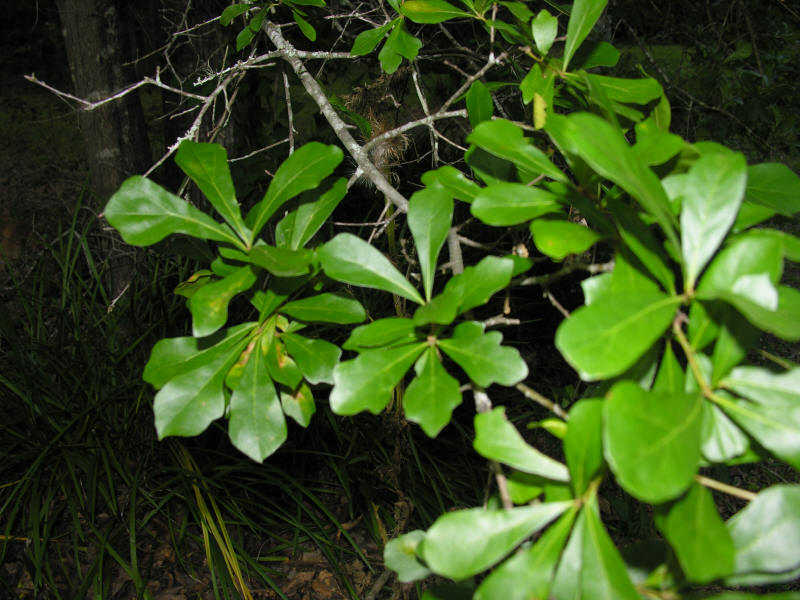
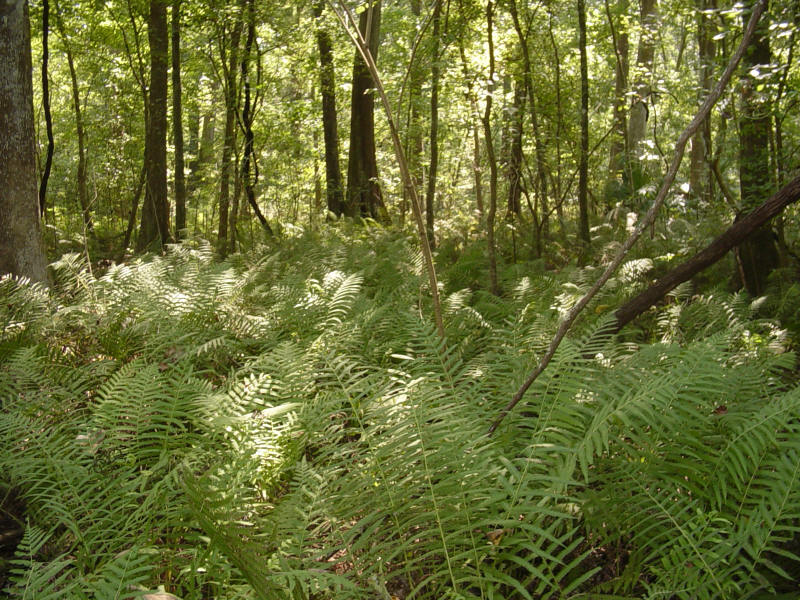
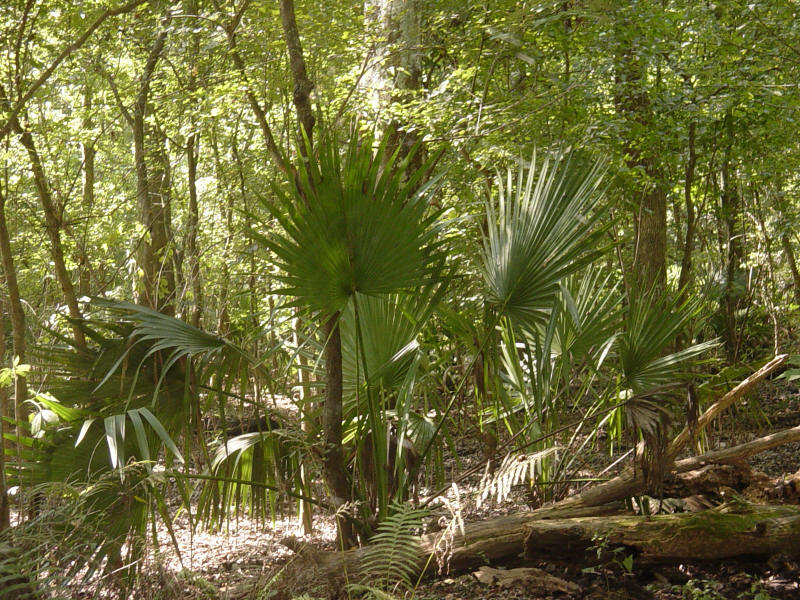
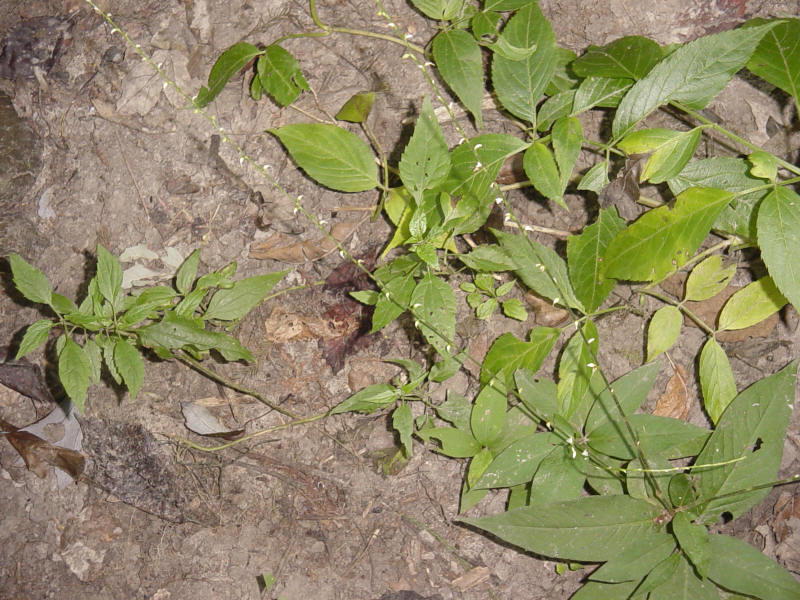
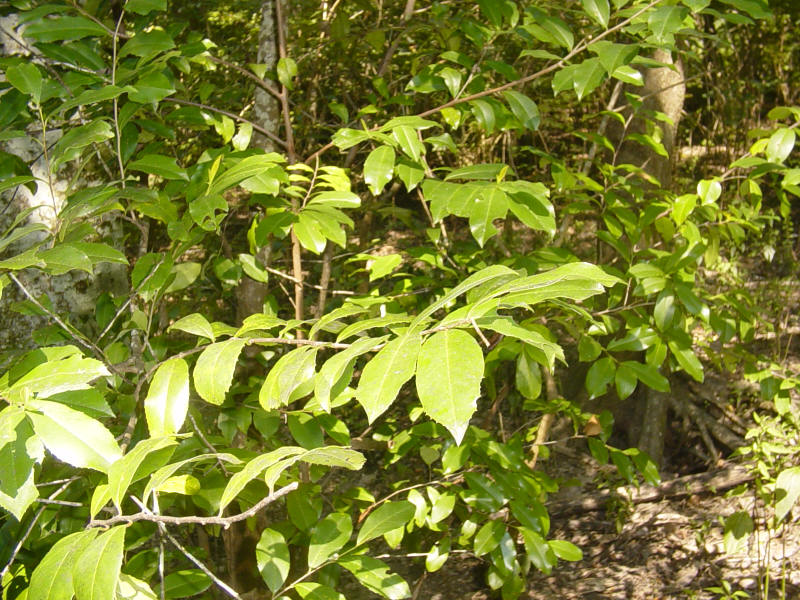
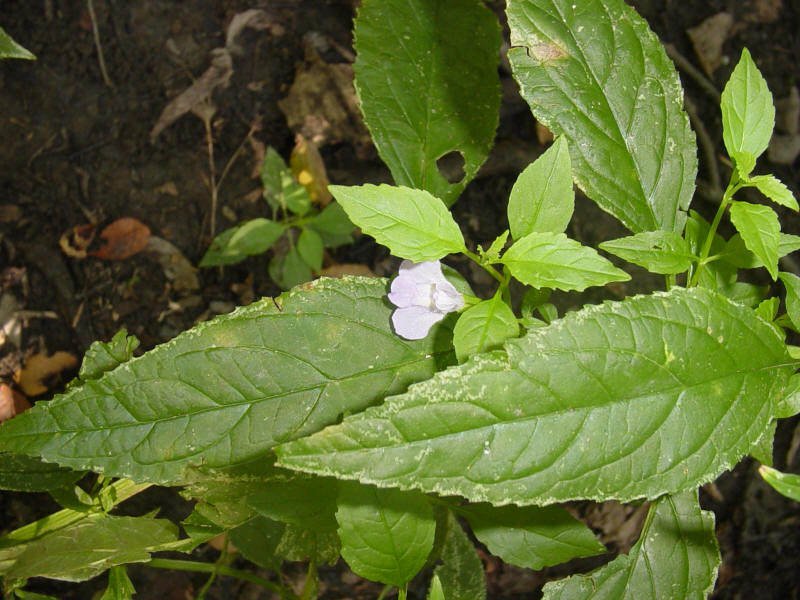
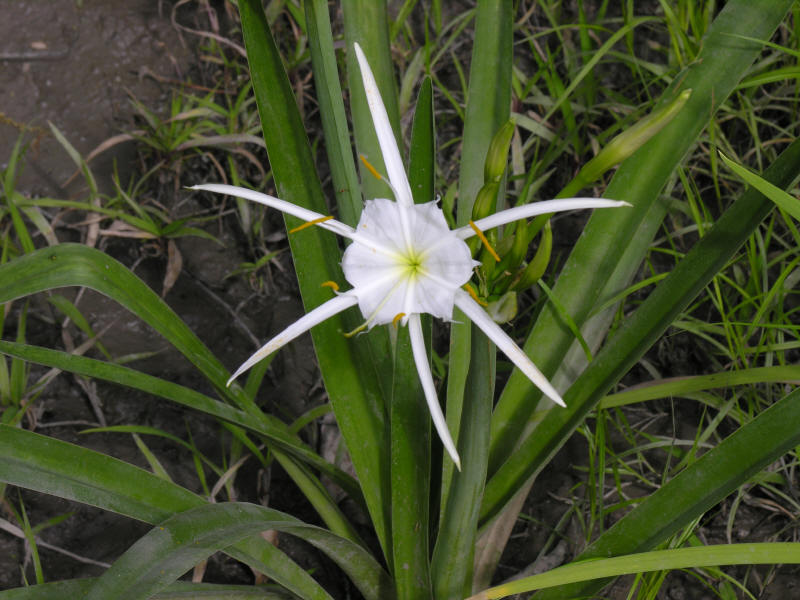
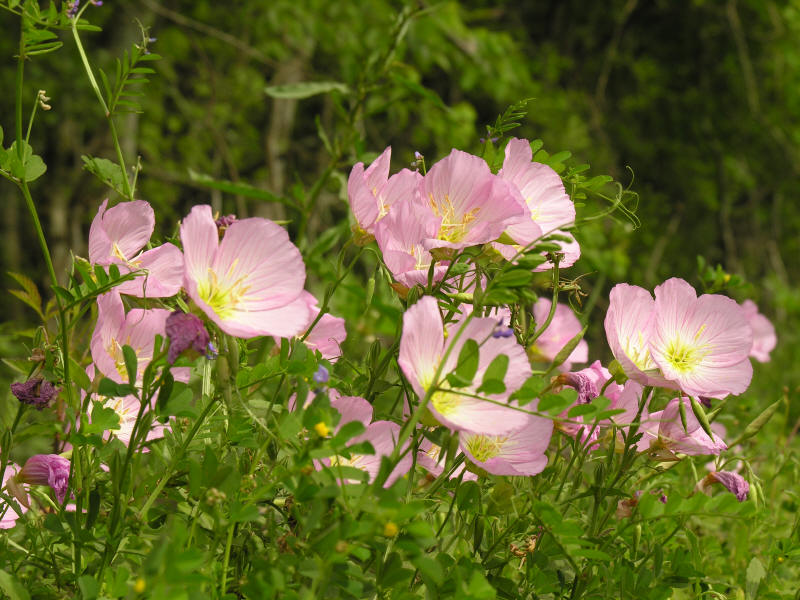
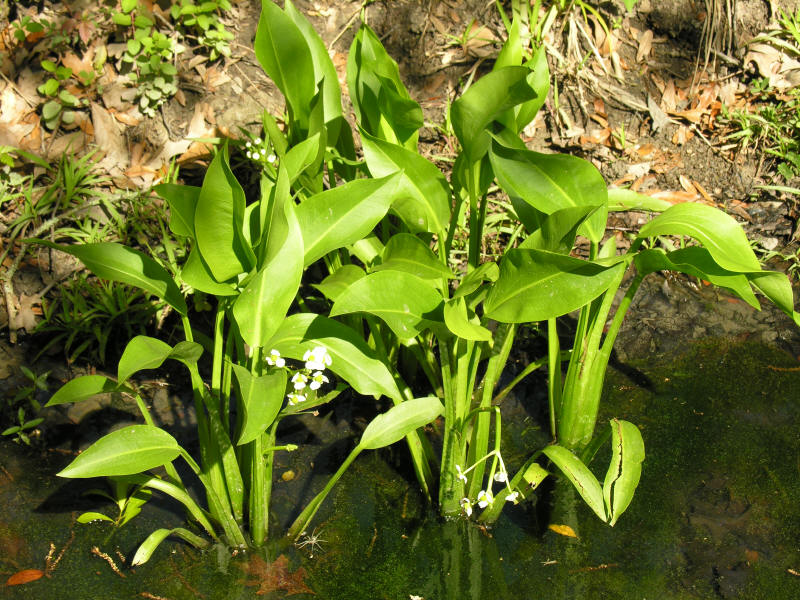
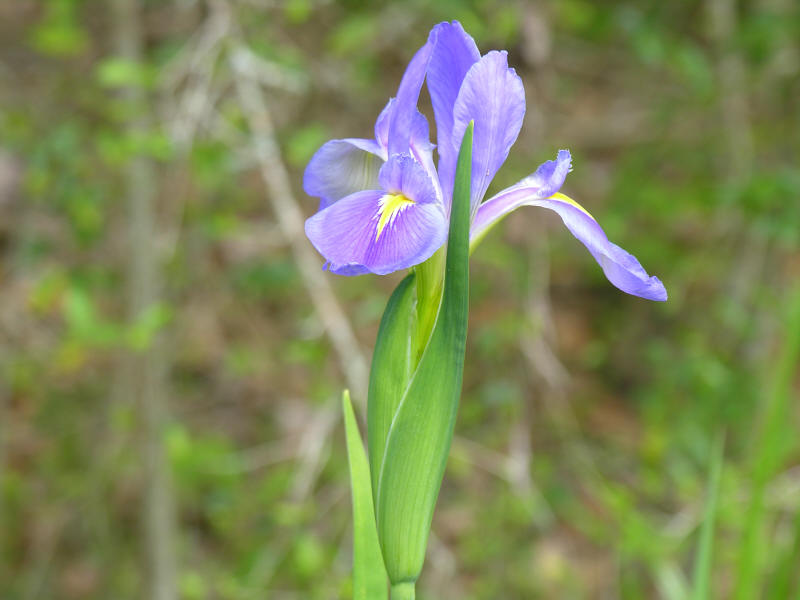
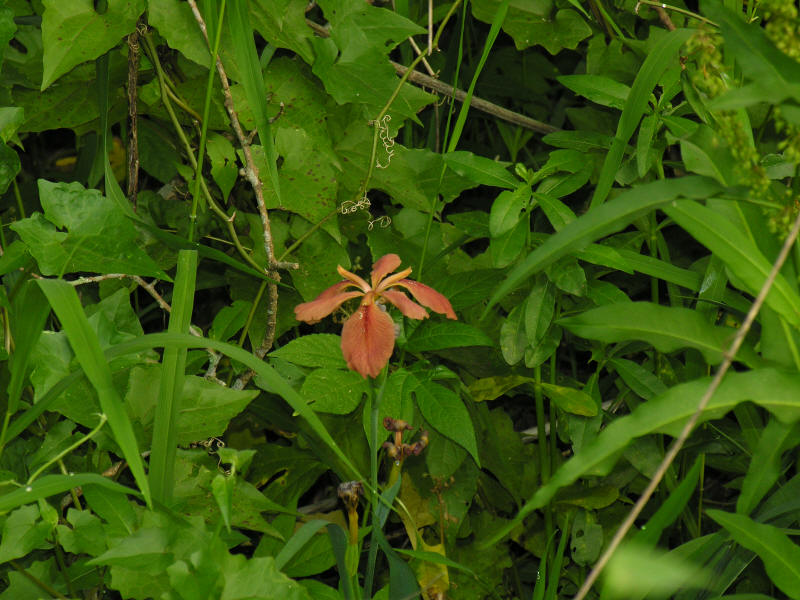
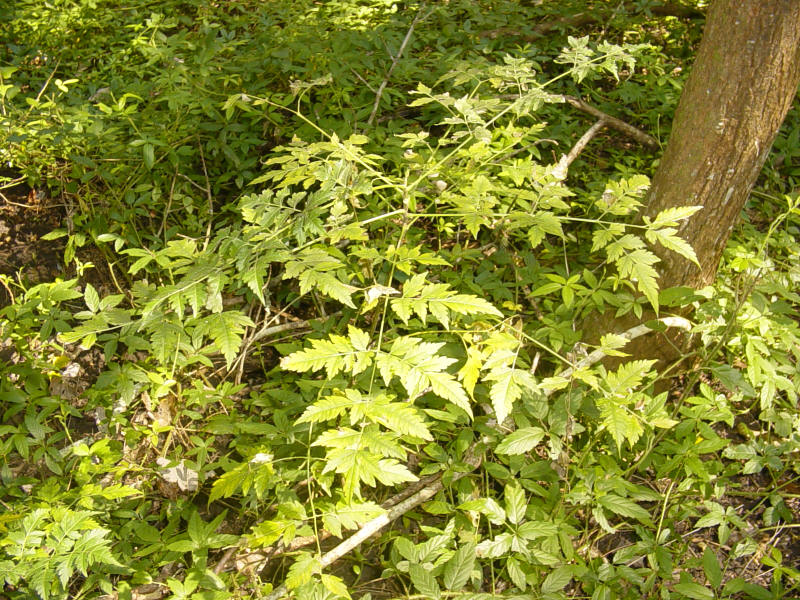
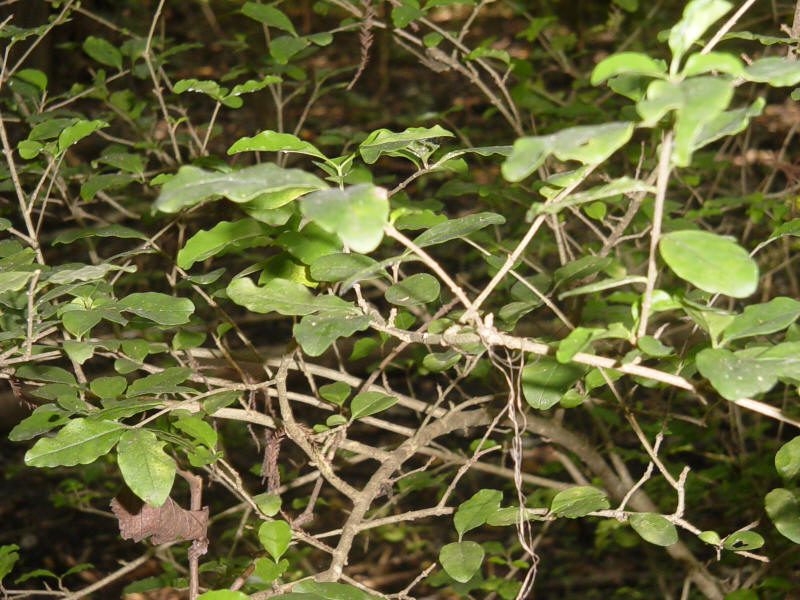
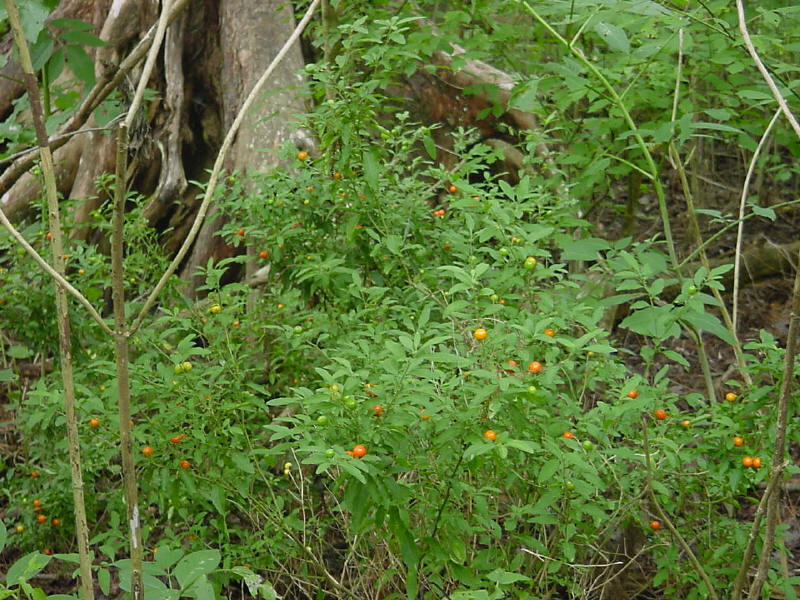
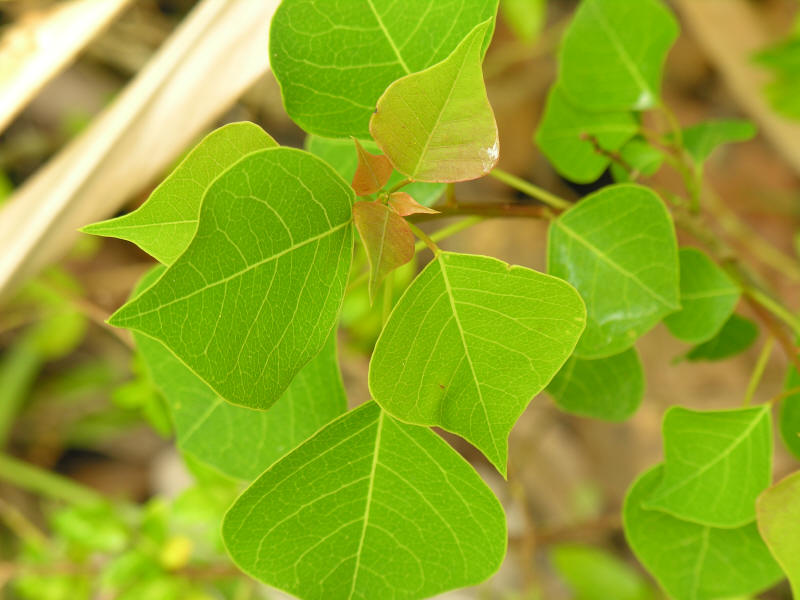
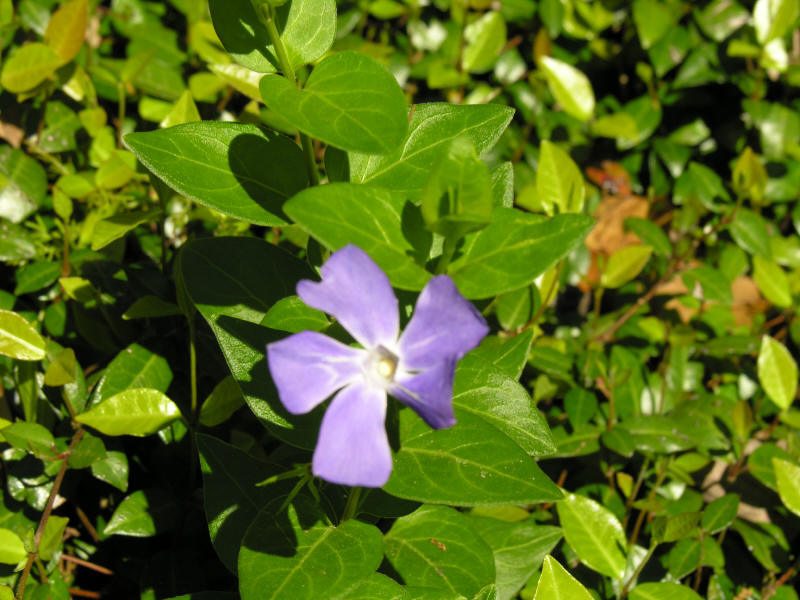
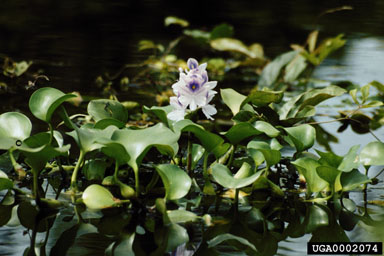
NATIVE AND NON-NATIVE PLANT SPECIES This "Urban Forest" component was partially funded from the USDA Forest Service Urban and Community Forestry Program in cooperation with the Louisiana Department of Agriculture and Forestry. Educational information will be provided and updated on the vegetation, both native and non-native, found in the peninsula formed by Lower Coast Algiers and Belle Chasse. Below are some species identified thus far with assistance from Chris Reid, Botanist, Louisiana Natural Heritage Program, Louisiana Department of Wildlife and Fisheries. Thanks to funding from Entergy's Environmental Stewardship Grant and a contribution by Bennett's Camera & Video in Metairie, Woodlands Trail and Park received camera equipment in January, 2005 for collecting visual images of both plant species and wildlife for educational purposes. Thus, we plan to continue to collect replacement photos as well as add to the collection. Please send any comments to woodlandstrail@aol.com . | ||||||||||||||||||||||||||||||||||||||||||||||||||||||||||||||||||||||||||||||||||||||||||||||||||||||||||||||||||||||||||||||||||||||||||||||||||||||||||||||||||||||||||||||||||||||||||||||||||||||||||||||||||||||||||||||||||||||||||||||||||||||||||||||||||||||||||||||||||||||||||||||||||||||||||||
Woodlands Conservancy - Creating a legacy for future generationsCopyright © 2001 Woodlands Conservancy, a nonprofit, 501(c)(3) corporationLast modified: November 15, 2012 |